Overview
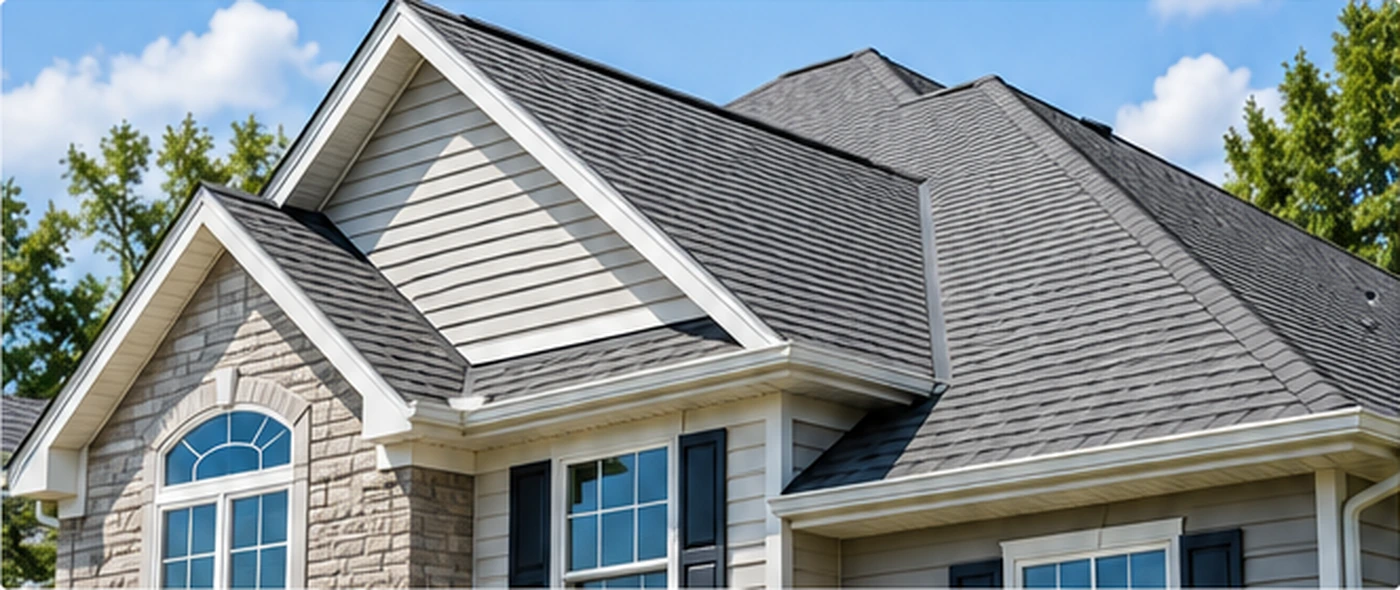
A roof replacement is a coordinated system project. The visible roofing material is only one part of the assembly. The roof deck, water-shedding layers, flashing, penetrations, edges, ventilation and finish components all need to work together.
Before work begins
A well-defined project starts before materials reach the roof. The contractor should confirm the selected roofing system, project scope, access, property protection, material delivery and any known conditions that could affect the work.
Homeowners should also know who the project contact is and how unexpected conditions will be communicated. Local permit and inspection requirements vary, so the agreement should make clear who is responsible for applicable requirements.
1. Existing roofing is removed as required
For a tear-off replacement, crews remove the existing roof covering so the underlying system can be evaluated. Removing old materials can expose conditions that were difficult or impossible to confirm from the exterior.
Ask how landscaping, windows, siding, driveways and other areas around the home will be protected while debris is removed.
2. The roof deck is inspected
The roof deck, or sheathing, supports the roofing system. After tear-off, deteriorated or damaged areas can be identified more accurately. Moisture damage, rot, holes, warping or other deficiencies may require additional work before new roofing is installed.
Because full deck condition is not always visible before tear-off, your agreement should explain how replacement decking will be priced if it becomes necessary.
3. Underlayment, leak protection and flashing are addressed
Depending on the roof design, climate, selected system and applicable requirements, installation can include leak-barrier materials, roof-deck underlayment, drip edge, starter materials and flashing around vulnerable transitions and penetrations.
Pay particular attention to flashing around chimneys, walls, valleys, skylights and other roof penetrations. The estimate should explain what flashing work is included.
4. The new roof covering is installed
After the deck and protective layers are ready, the primary roof covering is installed according to the selected product and project requirements. For asphalt shingles, the finished system usually includes starter and hip/ridge materials in addition to field shingles.
This is why comparing estimates solely by shingle brand or color can be misleading. Supporting components and installation details matter too.
5. Attic ventilation is evaluated
Roof replacement is an important opportunity to evaluate attic ventilation because intake and exhaust components interact with the roof system. Ventilation needs vary by home and roof design.
Ask whether both intake and exhaust ventilation were evaluated rather than assuming an additional exhaust vent alone solves the issue.
6. Cleanup and final review
At the end of the project, roofing debris should be cleared and the completed work reviewed against the agreed scope. Ask about final inspection requirements, warranty documentation and any photos or records showing work that will no longer be visible after installation.
Before final payment, confirm whether any items remain open and whom to contact if a concern appears after completion.
What can change during a roof replacement?
Some project conditions cannot be confirmed until existing materials are removed. Possible scope changes include damaged decking, deteriorated flashing, concealed moisture damage or other conditions requiring additional work.
A good agreement does not have to predict every hidden issue, but it should explain how changes are priced and approved.
Questions to ask before installation
- What exactly will be removed and replaced?
- How will damaged decking be documented and priced?
- What underlayment and leak-protection components are included?
- What flashing will be replaced?
- How was attic ventilation evaluated?
- Who handles applicable permits and inspections?
- How will the property be protected during tear-off?
- How are change orders approved?
- What cleanup and final inspection are included?
- What manufacturer and workmanship warranties apply?
Roof replacement process FAQs
Does every roof replacement require all new decking?
No. Decking replacement depends on its condition and the project requirements. Tear-off simply makes deteriorated areas easier to identify.
Why can the final price change after tear-off?
Concealed conditions such as damaged decking or deteriorated components may become visible only after existing roofing is removed. Your agreement should explain how additional work is authorized and priced.
Is roof replacement just shingles and underlayment?
No. A complete roofing system can also involve the roof deck, leak protection, flashing, drip edge, starter materials, ventilation and hip/ridge components.
What should I review before final payment?
Confirm that the agreed scope is complete, review documented changes, understand warranty information, check cleanup and clarify any remaining follow-up items.