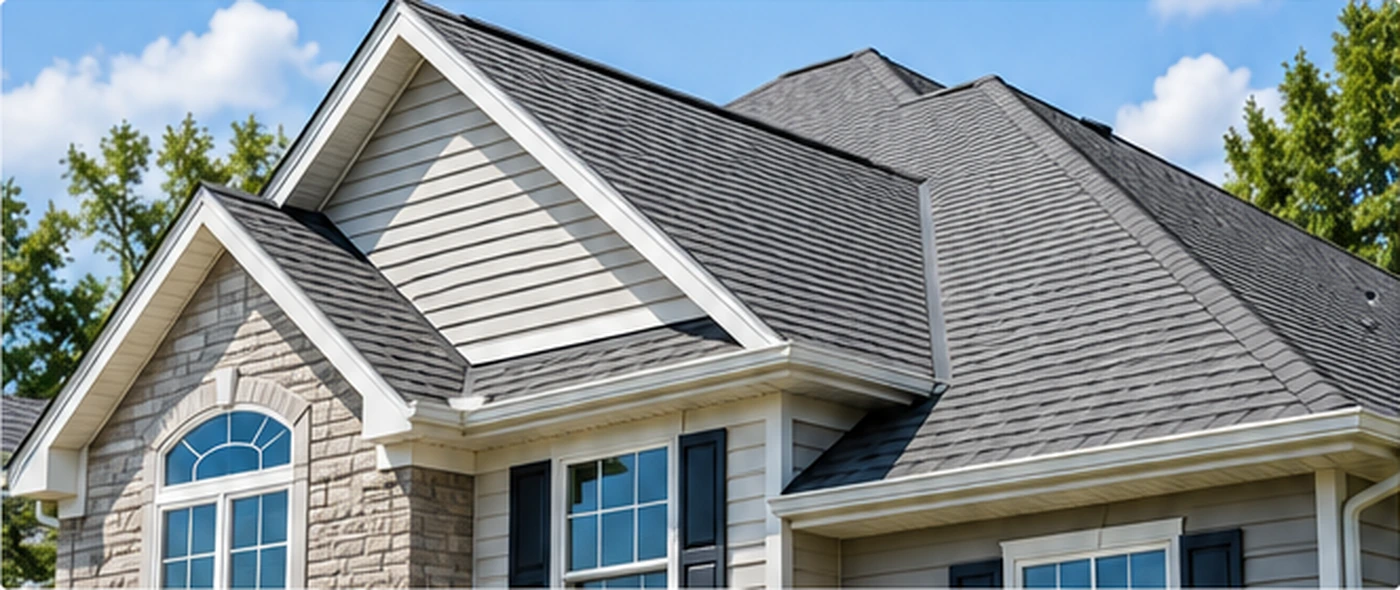
Residential roofing project related to roof replacement estimate
Homeowner quote guide

Roof replacement estimates: compare scope before price.

A roofing estimate should do more than show one large number. It should tell you what is being removed, what is being installed, what remains uncertain, what could cost extra and who is responsible for each part of the project.

This guide shows homeowners exactly what to look for before signing a roof replacement agreement.

Why estimates matter

A detailed estimate reduces ambiguity before construction begins

Roof replacement often involves conditions that cannot be fully confirmed until the existing roof is removed. That makes the written estimate especially important. It separates known work from potential changes and creates a record of what both sides expect.

A short proposal is not automatically bad, but vague wording increases the chance that two people read the same document differently. The clearer the scope, the easier it is to compare providers and manage changes later.

Scope clarity

You should know what work is included, what materials are specified and what is explicitly excluded.

Cost clarity

You should understand the quoted amount, payment schedule, allowances and how additional work is priced.

Responsibility clarity

You should know who handles permits, cleanup, protection, inspections and project supervision.

Estimate anatomy

What a strong roof replacement estimate should address

Estimate sectionWhat to look forWhy it matters
Roof measurementsMeasured roof area, assumptions and major roof features.House floor area alone does not define roofing quantity.
Tear-offNumber of layers, material removed and disposal.Removal can materially affect labor and cost.
DeckingIncluded replacement, unit price and approval process.Concealed damage is a common source of extra cost.
UnderlaymentExact type and where enhanced water protection is used.This is part of the roof's water-management system.
Roof coveringManufacturer, product line, profile/color and accessories.Generic labels make proposal comparison difficult.
FlashingWall, chimney, valley and penetration treatment.Critical water-shedding details should not be assumed.
VentilationIntake/exhaust approach and included components.Roof work can affect attic ventilation performance.
Edges & penetrationsDrip edge, pipe boots, vents, skylights and other openings.Small details can become important leak points.
PermitsWhether required, who obtains them and included fees.Responsibility should be clear before work starts.
CleanupDebris handling, ground cleanup and final site condition.Tear-off generates substantial construction debris.
WarrantyManufacturer and workmanship coverage.Different warranties protect against different risks.
Material detail

“Architectural shingles” is not a complete material specification

A homeowner should be able to identify the actual roofing system being quoted. That means more than the visible roof covering.

Ask for the exact manufacturer and product line, underlayment, starter, ridge product, flashing approach, ventilation components and other important accessories. Two estimates that use different system components may not be directly comparable even when both say they include “premium shingles.”

Material specification checklist

  • Manufacturer
  • Product line
  • Color or profile
  • Underlayment
  • Starter product
  • Ridge / hip product
  • Flashing
  • Ventilation components
  • Fastening approach
  • Warranty eligibility
Decking

The estimate should explain what happens when hidden damage is found

Decking deterioration may not be visible before tear-off. This does not mean added costs should be completely undefined.

Ask whether a certain quantity of decking is included, what additional sheets or boards cost, whether labor is included in that price and how the provider will document the condition before proceeding.

Good decking language answers:

  • What replacement is included?
  • What does additional material cost?
  • Is labor included in the unit price?
  • How is damage documented?
  • Who approves added work?
  • How does it affect the project schedule?
Compare quotes

Normalize the scope before comparing totals

Imagine three roof replacement proposals priced at different amounts. The lowest includes standard shingles but says little about decking or flashing. The middle proposal identifies products and includes a decking unit price. The highest includes upgraded materials, new flashing in several locations and additional ventilation work.

Those are not simply three prices for the same job. They may be three different jobs.

ItemEstimate AEstimate BWhat to clarify
Roofing productSpecific manufacturer/product“Premium shingle”What exact product is B using?
DeckingUnit price stated“Extra as needed”What will B charge?
FlashingLocations identified“Replace as needed”Which flashing is included?
VentilationSpecific componentsNot mentionedIs ventilation work included?
PermitsIncludedNot statedIs permit cost additional?
CleanupDescribedNot statedWho handles debris and final cleanup?
Exclusions

Read what is excluded as carefully as what is included

Structural work

Major framing or structural corrections may be outside a standard replacement scope unless specifically listed.

Interior damage

Drywall, paint, insulation or water-damage restoration may be excluded from a roofing contract.

Specialty components

Skylights, solar equipment, gutters, chimneys or other systems may require separate work or coordination.

Code-related upgrades

Some conditions discovered during permitting or tear-off can require added work depending on local requirements.

Decking beyond allowance

Additional deteriorated sheathing or boards may be charged separately under stated unit prices.

Unforeseen access issues

Restricted access, concealed materials or unusual conditions can affect labor and staging.

Change orders

Do not rely on verbal changes during a major roof project

Changes can happen for legitimate reasons. The important issue is how they are handled. A good process identifies the condition, describes the added or revised work, states the price impact and receives appropriate authorization before proceeding when practical.

Keep every approved change with the original contract. This makes the final project cost easier to understand and provides a cleaner project record.

Change-order checklist

  • Condition documented
  • Added work described
  • Price stated
  • Schedule impact stated
  • Authorization recorded
  • Final invoice matches approved changes
Payment terms

The estimate should make the payment schedule easy to understand

Payment rules and customary practices vary by jurisdiction and project. The written agreement should state when payments are due, what each payment corresponds to and how approved changes affect the total.

Before signing, verify that the payment schedule complies with applicable local law and that you understand the conditions for final payment.

Comparing roof replacement estimates?

Roofing Help USA is a homeowner education and referral resource focused on roof replacement and new roof installation. Once our referral program is activated, this section can connect homeowners with independent local providers while preserving the educational structure of this guide.

Questions before signing

Ask these questions when an estimate is unclear

“What exactly is included in tear-off?”

Confirm existing layers, disposal, cleanup and any material-specific removal assumptions.

“Which flashing are you replacing?”

Ask about chimneys, sidewalls, headwalls, valleys and penetrations individually when relevant.

“What can increase the final price?”

Ask for known exclusions, allowances and likely concealed conditions.

“How is decking priced?”

Get the unit or change-order method before tear-off begins.

“Who handles permits?”

Clarify whether they are required, who obtains them and whether fees are included.

“What does the warranty actually cover?”

Separate manufacturer material coverage from workmanship coverage and review the written terms.

FAQ

Roof replacement estimate questions

How many roofing estimates should I get?

Comparing multiple written proposals can help reveal scope differences and give you a better understanding of recommended approaches. The most useful comparison is based on clearly defined work, not total price alone.

Why is one estimate much lower?

It may reflect different materials, labor, exclusions or scope. Check decking, flashing, ventilation, permits, cleanup and warranties before assuming the lower number represents the same project.

Should an estimate list the exact shingle?

Yes, a more useful proposal identifies the manufacturer and specific product rather than using only broad labels such as “architectural” or “premium.”

Can an estimate become a contract?

Practices and legal requirements vary. Before authorizing work, read the complete agreement and confirm that scope, pricing, payment terms, changes and other required terms are documented.

What if the provider will not explain exclusions?

Unclear exclusions can make it difficult to understand the true project cost. Ask for clarification in writing before making a decision.

Does Roofing Help USA provide roofing estimates?

No. Roofing Help USA does not perform roofing work or set independent provider prices. It provides homeowner education and may connect homeowners with independent service providers.

Same-day and emergency service availability Same-day and 24/7 emergency services are subject to provider participation, location, technician availability, and demand. Availability is not guaranteed and may vary by market and appointment capacity.

Ready to talk about your roof replacement?

Call to connect with an independent roofing service provider serving your area. Availability varies by location and provider participation.