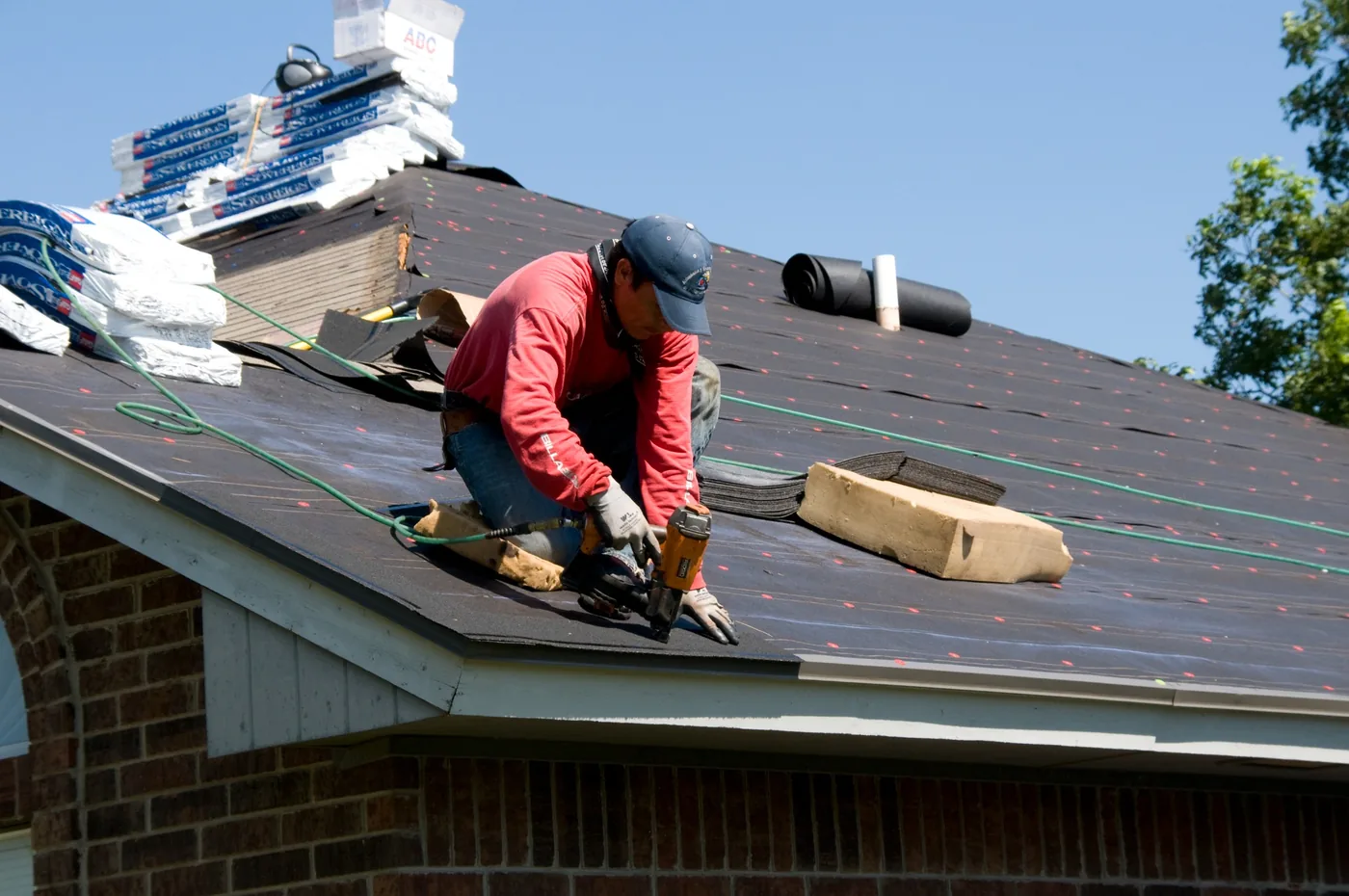
Asphalt shingles
Asphalt shingles are widely available and offered in traditional and dimensional/architectural designs. Product lines vary, so proposals should identify the manufacturer and exact product.
Installation details still matter: deck preparation, underlayment, flashing, ventilation, starter material, ridge components, fastener placement, and penetrations all contribute to the system.
Metal roofing
Residential metal roofing includes different systems rather than one generic product. Panel profile, seam design, substrate, coating, fastening method, flashing, penetrations, and installer experience can affect performance and price.
Ask whether a proposal is for exposed-fastener or concealed-fastener construction and obtain the exact manufacturer/system details.
Clay and concrete tile
Tile can provide a distinctive appearance and durable roof covering, but weight and structural suitability are important. Underlayment and flashing are also significant components of a tile roofing assembly.
Replacement involving tile may require evaluation of the structure and careful coordination of broken-tile replacement and access procedures.
Material weight and structure
Roof coverings place different loads on a home. When moving to a substantially different roofing system, ask whether structural evaluation or local approval is needed.
Climate and exposure
Wind, hail, heat, cold, wildfire exposure, salt air, snow, and other local conditions can influence product selection and installation requirements. Local code and manufacturer requirements control over broad online generalizations.
Appearance and neighborhood requirements
View real product samples outdoors and consider siding, masonry, trim, gutters, and other permanent exterior features. Homeowners associations may require approval of material, profile, or color before ordering.
Warranty comparisons
Separate manufacturer product warranties from contractor workmanship warranties. Review the actual written terms, exclusions, registration requirements, transfer rules, and claim procedures rather than relying on a warranty duration alone.
A practical comparison checklist
- Exact manufacturer/product
- Installed roofing system and accessories
- Suitability for roof slope and structure
- Local climate/code considerations
- Maintenance expectations
- Appearance/color availability
- Manufacturer warranty
- Contractor workmanship warranty
- Complete installed price